
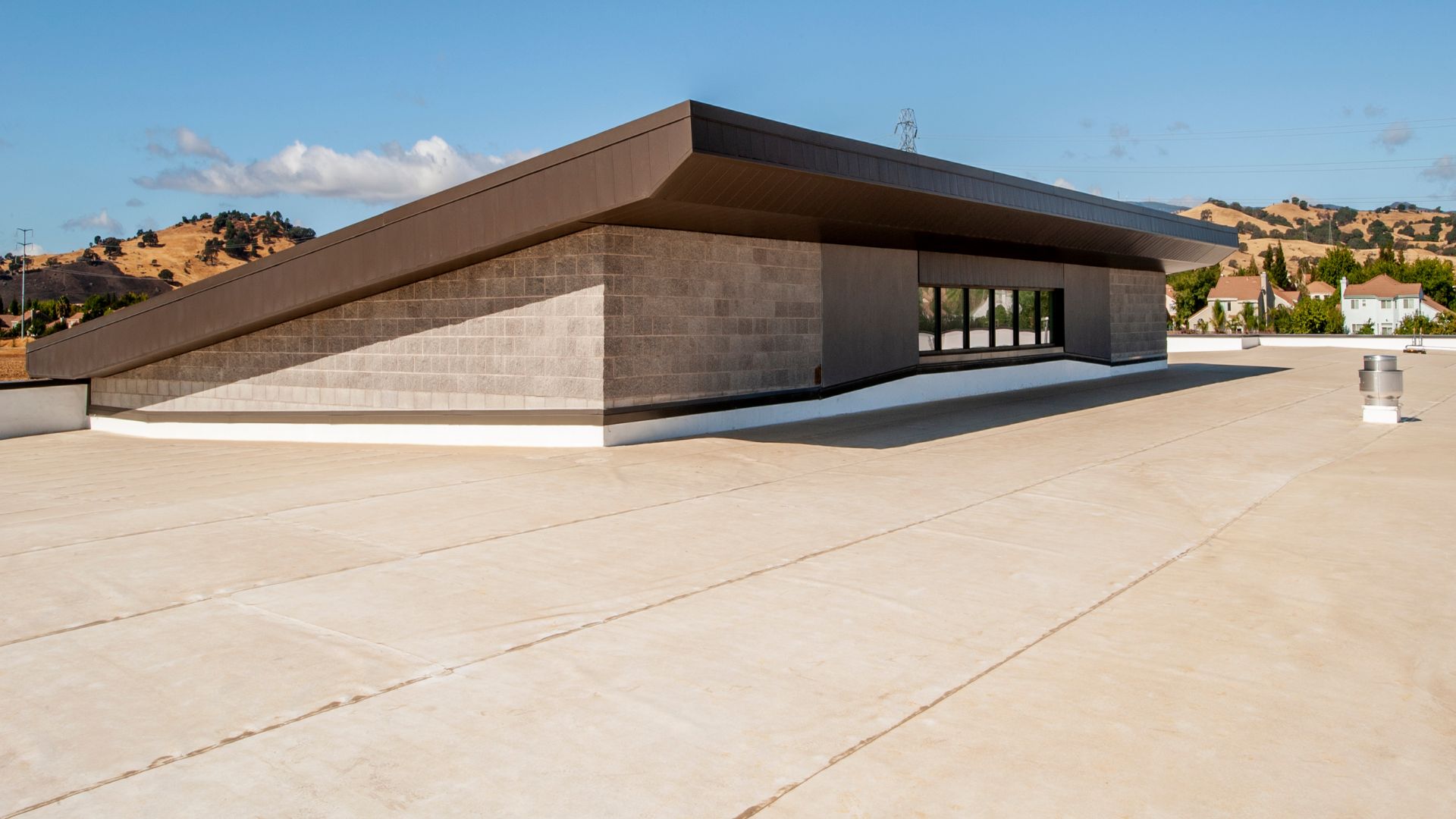
 When it comes to commercial roofing systems, the sheer variety of options can be overwhelming. However, understanding the different types available is essential for making informed decisions about your building’s needs. Exploring the benefits of single-ply membranes, the advantages of metal roofing, the characteristics of built-up roofing, the features of modified bitumen roofing, and the pros and cons of green roofs can provide valuable insights into choosing the right system for your specific requirements. Each type brings its unique set of qualities to the table, catering to diverse preferences and necessities in the field of commercial roofing.
Key Takeaways
- Single-Ply Membranes: Cost-effective, easy installation, lightweight, durable, types include TPO, PVC, and EPDM.
- Metal Roofing: Exceptional durability, longevity up to 50 years, resistant to fire and extreme weather, low maintenance.
- Built-Up Roofing: Multi-layered structure, superb UV protection, waterproofing, customizable, cost-effective.
- Modified Bitumen Roofing: Enhanced durability, flexibility, multi-layered construction, versatile installation methods, puncture-resistant.
- Green Roofs: Environmental benefits, energy efficiency, aesthetic appeal, installation costs, maintenance considerations.
Benefits of Single-Ply Membranes
Single-ply membranes offer a cost-effective and durable solution for commercial roofing systems in Metairie, LA. These membranes consist of a single layer of synthetic material that’s strong, flexible, and resistant to UV radiation. The most common types of single-ply membranes used in commercial roofing are thermoplastic olefin (TPO), polyvinyl chloride (PVC), and ethylene propylene diene monomer (EPDM).
One of the main advantages of single-ply membranes is their ease of installation. They can be fully adhered, mechanically fastened, or ballasted, allowing for flexibility in application depending on the specific needs of the roofing project. Additionally, these membranes are lightweight, which reduces the structural load on the building.
Single-ply membranes are also known for their energy efficiency. They offer excellent insulation properties, helping to keep the building cool in the hot Metairie, LA summers and warm in the winter months. This energy efficiency can lead to cost savings on heating and cooling bills over time.
Advantages of Metal Roofing
Metal roofing presents numerous advantages in commercial applications due to its exceptional durability and longevity compared to traditional roofing materials. One key benefit of metal roofing is its longevity, as it can last up to 50 years or more with proper maintenance, exceeding the lifespan of many other roofing materials. Additionally, metal roofs are highly resistant to fire, mildew, insects, and rot, providing a high level of protection for the building.
Metal roofing is also known for its excellent durability. It can withstand extreme weather conditions such as high winds, heavy snow, and hail, making it a reliable choice for commercial buildings in various climates. Furthermore, metal roofs require minimal maintenance, reducing long-term costs for building owners. They’re lightweight, which can help preserve the structural integrity of the building and may even lower cooling costs due to their reflective properties.
Characteristics of Built-Up Roofing
Built-Up Roofing systems, also known as BUR, are multi-layered roof structures commonly used in commercial buildings for their robustness and weather-resistant properties. BUR typically consists of alternating layers of bitumen and reinforcing fabrics that create a durable membrane capable of withstanding harsh weather conditions and providing excellent waterproofing. One of the key characteristics of BUR is its ability to offer superb UV protection, extending the lifespan of the roof.
These roofing systems are highly customizable to suit different building requirements, with options for varying numbers of bitumen and fabric layers to achieve the desired level of durability and insulation. BUR installations are known for their fire resistance, making them a safe choice for commercial properties where fire safety is a priority.
Furthermore, BUR systems are cost-effective in the long run due to their durability and low maintenance requirements. Proper installation and regular inspections can greatly prolong the life of a Built-Up Roofing system, making it a reliable choice for commercial roofing needs.
Features of Modified Bitumen Roofing
Modified Bitumen Roofing systems, recognized for their enhanced durability and flexibility, offer a reliable solution for commercial roofing needs. These systems consist of asphalt-based materials reinforced with fiberglass or polyester to provide strength and stability. One key feature of Modified Bitumen Roofing is its multi-layered construction, which enhances its waterproofing properties and resistance to harsh weather conditions.
Additionally, Modified Bitumen Roofing membranes can be installed using various methods such as heat welding, cold adhesives, or self-adhesive. This versatility in installation allows for customization based on the specific requirements of the commercial building.
Moreover, these roofing systems are known for their excellent performance in high-traffic areas due to their robust nature. They’re also resistant to punctures and tears, making them a long-lasting option for commercial roofs.
Pros and Cons of Green Roofs
Green roofs present a unique opportunity to enhance sustainability and environmental benefits within commercial roofing systems. These roofs consist of a layer of vegetation and soil on top of a waterproofing system, providing a range of advantages and some considerations for commercial buildings.
- Pros of Green Roofs:
- *Environmental Benefits:* Green roofs help reduce urban heat island effect, improve air quality by capturing pollutants, and provide habitats for wildlife.
- *Energy Efficiency:* They offer natural insulation, reducing heating and cooling costs for the building.
- *Aesthetic Appeal:* Green roofs enhance the visual appeal of the building and contribute to a more pleasant urban environment.
When considering green roofs for a commercial building, it’s important to weigh these benefits against factors such as installation costs, maintenance requirements, and structural considerations. Proper planning and design are essential to maximizing the advantages of green roofs while addressing their challenges.
Frequently Asked Questions
Are There Any Special Maintenance Requirements for Single-Ply Membrane Roofs?
Yes, there are special maintenance requirements for single-ply membrane roofs. Regular inspections for tears, punctures, and weathering are essential. It’s vital to address any issues promptly to guarantee the longevity and performance of the roof.
What Are the Environmental Benefits of Metal Roofing Systems?
Metal roofing systems offer exceptional environmental benefits. They are like eco-friendly superheroes, reflecting sunlight to reduce cooling needs, recyclable at the end of their lifespan, and often made from recycled materials, making them sustainable choices.
How Does the Installation Process Differ for Built-Up Roofing Systems?
When installing built-up roofing systems, we meticulously layer materials like bitumen and reinforcing fabrics to create a durable membrane. This process differs from other systems due to the multiple layers involved, requiring careful attention to detail.
Are There Specific Climates Where Modified Bitumen Roofing Is Most Effective?
Modified bitumen roofing excels in hot climates due to its ability to withstand high temperatures and UV exposure. Its flexibility and durability make it a top choice for areas with extreme heat.
Can Green Roofs Be Customized to Suit Different Architectural Styles?
Yes, green roofs can be customized to suit various architectural styles. By selecting appropriate vegetation, drainage systems, and structural support, green roofs can blend seamlessly with the design of any building, enhancing aesthetics and environmental sustainability.
Conclusion
To sum up, the diverse range of commercial roofing systems offers unique benefits and features to meet the specific needs of building owners and facility managers. From the cost-effective and durable single-ply membranes to the longevity and resistance of metal roofing, each option has its advantages.
It’s crucial to carefully consider the requirements of your building and choose the right roofing system for best performance and longevity.
Stay tuned for more in-depth insights on commercial roofing solutions.