
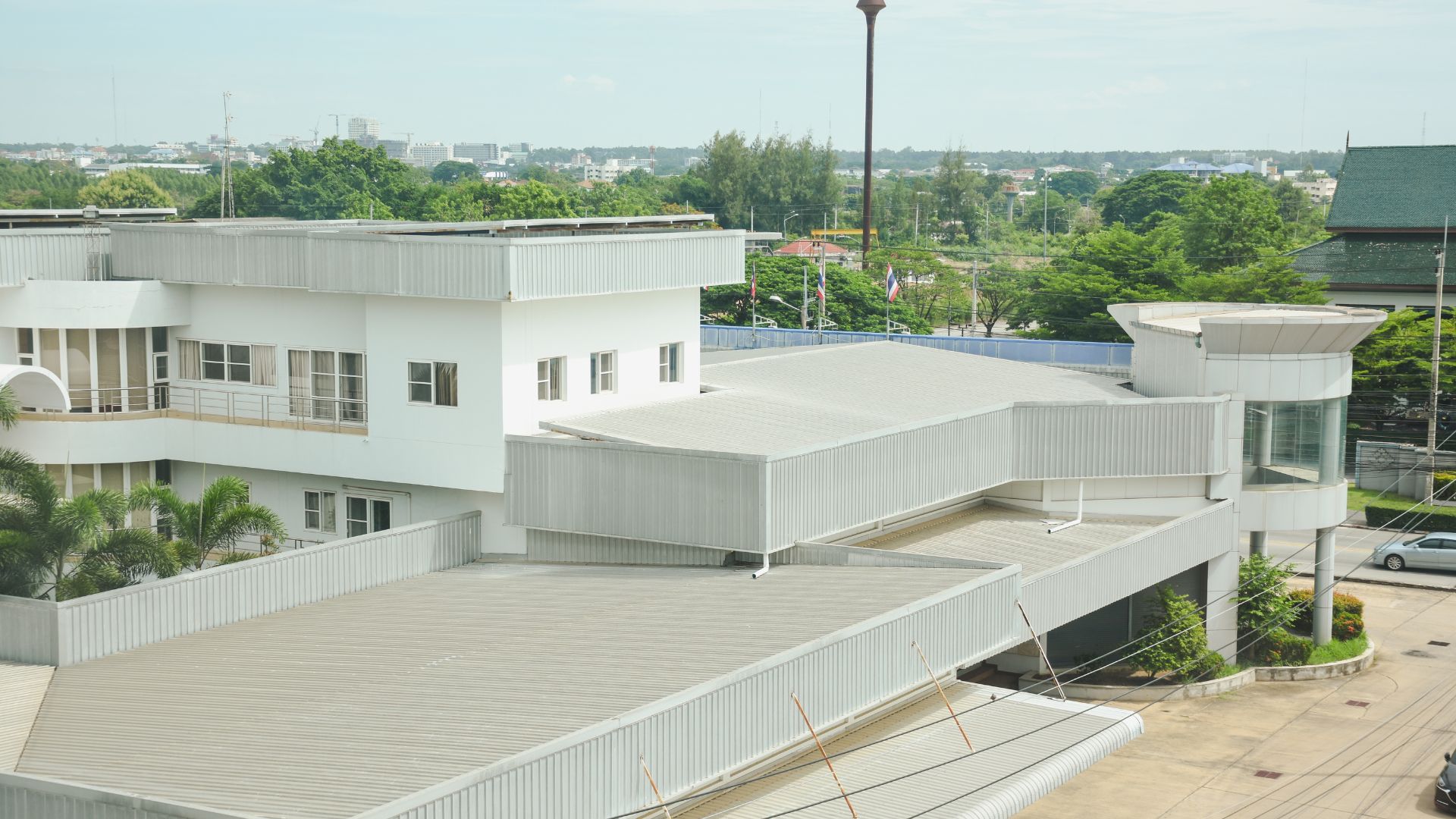
 As we navigate the intricate world of commercial roofing materials, the quest for the perfect fit can be a challenging yet essential journey. From weather resistance to cost-effectiveness, each material brings a unique set of characteristics to the table. Understanding the nuances of TPO, EPDM, metal, PVC, and BUR is just the tip of the iceberg when it comes to safeguarding your property’s rooftop. So, let’s peel back the layers of complexity and uncover the secrets that lie within the domain of commercial roofing materials.
Key Takeaways
- Consider roof slope, exposure, and energy efficiency for optimal material selection.
- Evaluate durability, longevity, and maintenance needs based on environmental conditions.
- Balance initial costs, long-term savings, and maintenance expenses for cost-effective decisions.
- Assess property needs and tailor material selection for the best fit.
- Understand the pros and cons of each material to make an informed choice.
Types of Commercial Roofing Materials
When considering commercial roofing materials in Metairie, LA, it’s important to evaluate the durability and cost-effectiveness of various options available in the market.
One common choice for commercial roofing is thermoplastic polyolefin (TPO). TPO roofs are known for their energy efficiency, UV resistance, and ease of installation, making them a popular option for many commercial buildings.
Another popular material is ethylene propylene diene terpolymer (EPDM), a synthetic rubber roofing membrane known for its durability and resistance to weathering.
Metal roofing is also a common choice for commercial buildings due to its longevity and low maintenance requirements. It provides excellent protection against extreme weather conditions.
Additionally, built-up roofing (BUR) systems, which consist of multiple layers of reinforcing fabric and bitumen, offer great durability and waterproofing capabilities.
Each of these commercial roofing materials has its own advantages and considerations, so it’s essential to weigh these factors carefully when selecting the most suitable option for your commercial property in Metairie, LA.
Pros and Cons of Each Material
Among the various commercial roofing materials available in Metairie, LA, each option presents distinct advantages and factors to take into account when determining the most suitable choice for your property.
Let’s explore the pros and cons of each material to better understand their characteristics.
Starting with EPDM (ethylene propylene diene terpolymer), this synthetic rubber roofing membrane offers excellent durability and resistance to UV radiation, making it an important option. However, EPDM can be punctured easily during installation, requiring meticulous care.
Moving on to TPO (thermoplastic olefin), it provides high energy efficiency and is environmentally friendly. Yet, TPO may not be as resistant to tears as other materials.
PVC (polyvinyl chloride) roofing is known for its exceptional strength and chemical resistance, but it tends to be more expensive upfront.
Lastly, metal roofing offers longevity and fire resistance, but it can be noisy during heavy rain or hail storms. Understanding these pros and cons is essential in selecting the ideal roofing material for your commercial property.
Factors to Consider in Selection
Taking into account the specific needs of your commercial property and the local weather conditions is important when evaluating roofing material options. Factors such as the slope of the roof, the potential for high winds or heavy rain, and the amount of foot traffic the roof will experience all play a vital role in determining the most suitable material. For instance, flat roofs may benefit from materials like built-up roofing or single-ply membranes, while metal roofing might be more appropriate for steep-sloped roofs.
Additionally, considering the energy efficiency of different roofing materials is significant. Some materials, such as cool roofs with reflective properties, can help reduce cooling costs by minimizing heat absorption. This aspect is particularly important in warmer climates where air conditioning expenses can be substantial.
Moreover, the durability and longevity of the roofing material should be evaluated to make sure that it can withstand the specific environmental conditions of the location. Conducting a thorough assessment of these factors will help in selecting a roofing material that best meets the unique requirements of your commercial property.
Cost Considerations for Roofing Materials
Considering the financial aspect of roofing materials involves analyzing the initial costs, maintenance expenses, and potential long-term savings associated with each option. Initial costs vary significantly depending on the material chosen. For example, asphalt shingles are generally more affordable upfront compared to metal or slate roofs. However, it’s important to take into account the lifespan of the material and potential maintenance costs over time.
Maintenance expenses are another key factor to evaluate. While some materials may have lower initial costs, they could require more frequent repairs and upkeep, leading to higher long-term expenses. On the contrary, investing in more durable and long-lasting materials might involve higher upfront costs but can result in lower maintenance expenses in the future.
Moreover, considering the potential long-term savings is crucial when selecting a roofing material. Energy-efficient options like cool roofs or green roofs may have higher initial costs but can significantly reduce heating and cooling expenses over the years, ultimately leading to savings in the long run. Hence, it’s important to weigh the initial costs against maintenance expenses and long-term savings to make an informed decision.
Maintenance and Longevity of Roofing Options
We evaluate the maintenance requirements and longevity of various roofing options to determine their durability and lifespan. When considering commercial roofing materials, it’s important to assess how each option holds up over time and the level of upkeep it demands.
Metal roofing, known for its longevity, often requires minimal maintenance and can last 40-70 years. On the other hand, asphalt shingles, while cost-effective, typically last 15-30 years and may need more frequent repairs.
Single-ply membrane roofs offer a balance between longevity and maintenance, lasting around 20-35 years with moderate upkeep needs. Built-up roofing (BUR) systems, consisting of multiple layers, can last 20-30 years but might require more maintenance due to their complexity.
Green roofs, though environmentally friendly, need specialized care and may last 30-50 years. By understanding the maintenance demands and expected lifespan of each roofing material, you can make an informed decision that aligns with your budget and long-term goals.
Frequently Asked Questions
Can I Install Solar Panels on Any Commercial Roofing Material?
Yes, solar panels can be installed on most commercial roofing materials. Factors like roof slope, material condition, and weight-bearing capacity must be considered. Consult a professional for assessment and to guarantee proper installation.
Are There Any Eco-Friendly Roofing Options Available for Commercial Buildings?
Absolutely, several eco-friendly roofing options are available for commercial buildings. From cool roofs to green roofs, these choices not only reduce environmental impact but also enhance energy efficiency and sustainability.
Do Different Roofing Materials Impact Indoor Temperature Regulation?
Yes, different roofing materials do impact indoor temperature regulation. Materials like metal and asphalt can absorb heat, leading to increased temperatures, while reflective materials like white coatings can help reduce heat gain, lowering indoor temperatures.
How Do Extreme Weather Conditions Affect Different Roofing Materials?
In harsh weather, roofing materials perform like athletes in a marathon. Metal withstands hail and snow, while asphalt shingles excel against rain and wind. Proper maintenance is key for longevity and performance.
Are There Any Specific Roofing Materials Recommended for Historical Buildings?
For historical buildings, we recommend slate or clay tiles due to their durability, aesthetic appeal, and ability to maintain the architectural integrity of the structure. These materials offer longevity and a classic look.
Conclusion
In summary, selecting the appropriate commercial roofing material is vital for the long-term success of a property.
While evaluating the options may seem challenging, it’s important to remember that the wrong choice can result in expensive repairs and difficulties in the future.
So, the next time you’re choosing a roofing material, be sure to carefully consider all factors and make a decision that will keep your property safe and secure, even if it involves a few extra challenges along the way.