
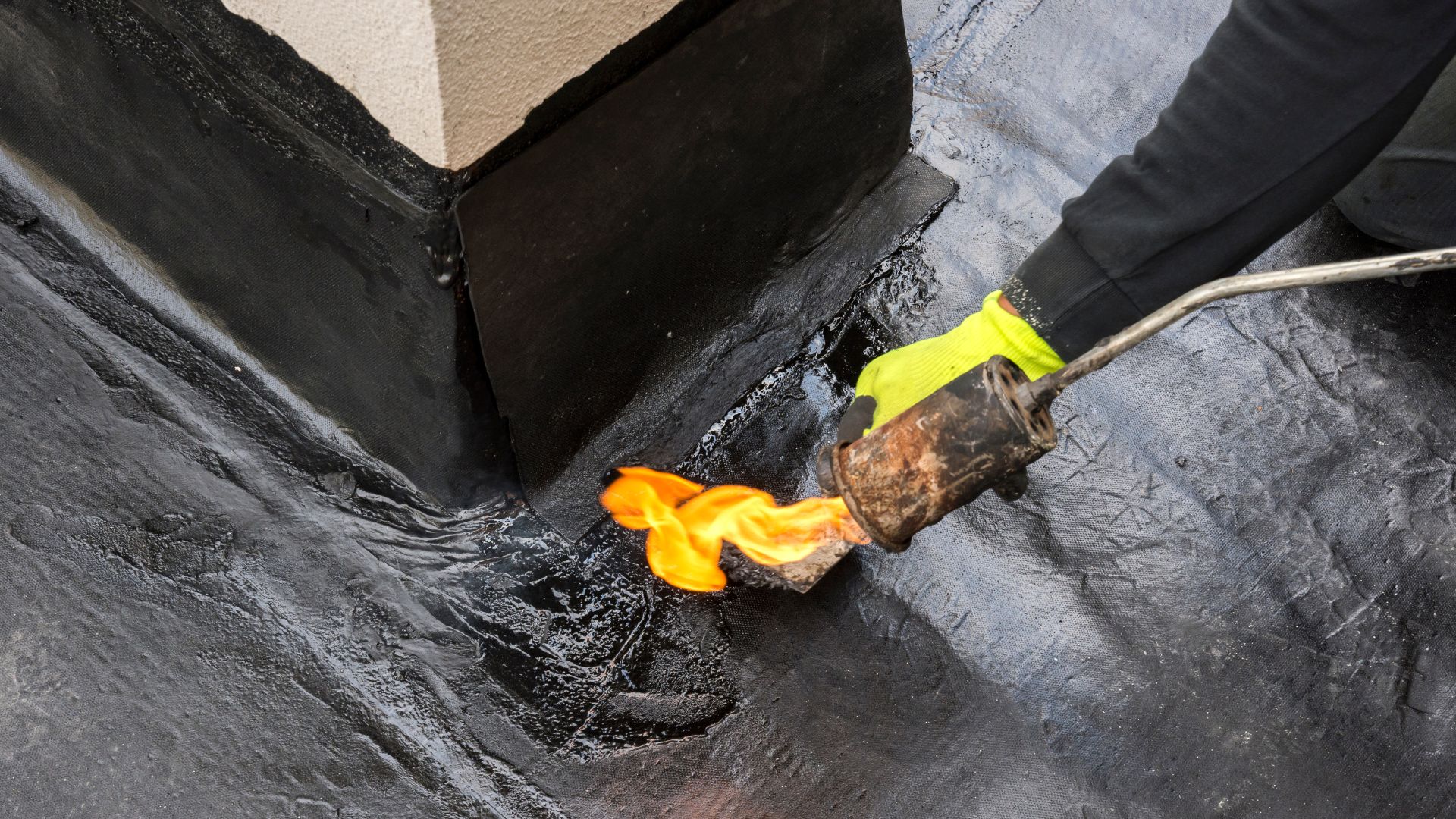
 When it comes to optimizing a building’s energy efficiency, the importance of roof sheathing cannot be underestimated. From reducing heat transfer to enhancing insulation properties, this often-overlooked component holds immense potential in creating a well-insulated and energy-efficient structure. By understanding how roof sheathing materials and installation techniques can impact energy consumption and thermal performance, we can discover the key to significant savings and comfort in our living spaces. So, let’s explore the intricacies of roof sheathing and its crucial contribution to a more sustainable and cost-effective built environment.
Key Takeaways
- Proper installation ensures airtightness and minimizes heat transfer.
- Choose materials with high thermal resistance for energy efficiency.
- Insulation type and thickness impact overall thermal performance.
- Good ventilation and insulation selection control moisture and heat.
- Quality sheathing materials optimize energy efficiency and comfort.
Importance of Roof Sheathing Materials
When selecting roof sheathing materials in Metairie, LA, it’s important to consider their insulating properties and durability to guarantee energy efficiency and structural integrity. Roof sheathing plays a significant role in providing a solid base for the roof covering and ensuring proper insulation to reduce heat loss or gain within a structure. In a region like Metairie, LA, where hot and humid summers are common, choosing the right roof sheathing material is essential to maintain a comfortable indoor environment and lower energy costs.
One popular option for roof sheathing in Metairie, LA, is oriented strand board (OSB). OSB is known for its strength and affordability, making it a preferred choice for many residential and commercial buildings. Additionally, plywood is another common choice due to its durability and resistance to moisture, which is particularly important in areas with high humidity levels like Metairie, LA. Proper installation of these materials is essential to ensure their effectiveness in providing insulation and structural support for the roof.
Proper Installation Techniques
To ensure peak performance of roof sheathing materials like oriented strand board (OSB) and plywood in Metairie, LA, precise installation techniques are essential for maximizing insulation and structural stability. When installing roof sheathing, it’s important to start with a clean and dry surface to prevent any moisture-related issues.
Proper ventilation is key to preventing the buildup of condensation, which can lead to mold and rot. Fasteners should be corrosion-resistant and of the appropriate length to securely hold the sheathing in place. Ensuring that panels are tightly butted together without any gaps is crucial for preventing air leakage and maintaining the integrity of the roof’s structure.
Additionally, staggering the joints between panels helps distribute loads evenly and improves overall stability. Properly sealing all joints and edges with a high-quality sealant further enhances the insulation properties of the roof. Lastly, following manufacturer guidelines and building codes during installation is essential for achieving optimal energy efficiency and insulation performance.
Impact on Energy Consumption
The importance of roof sheathing materials directly influences energy consumption in buildings, impacting both insulation effectiveness and structural integrity. Properly selected and installed roof sheathing can greatly reduce the energy required to heat or cool a building.
For instance, using materials with high thermal resistance can minimize heat transfer through the roof, leading to lower energy usage for heating in winter and cooling in summer. Additionally, the structural strength of the sheathing plays an important role in maintaining airtightness and preventing thermal bridging, which can further improve energy efficiency.
Furthermore, the quality of roof sheathing affects the overall performance of insulation materials. If the sheathing isn’t properly installed or lacks sufficient durability, it can compromise the effectiveness of insulation, allowing for energy losses through gaps or moisture infiltration. This can result in increased energy consumption as the HVAC systems work harder to maintain desired indoor temperatures.
Therefore, investing in high-quality roof sheathing materials is essential for optimizing energy efficiency in buildings.
Enhancing Thermal Performance
Enhancing thermal performance through strategic selection of roof sheathing materials is essential for maximizing energy efficiency in buildings. The choice of roof sheathing material can greatly impact the overall insulation properties of a structure. Materials like oriented strand board (OSB) and plywood are commonly used due to their insulating capabilities. OSB, made from compressed wood strands, offers good thermal resistance and is cost-effective. Plywood, a more traditional option, provides reliable insulation and structural strength.
Moreover, the thickness of the roof sheathing also plays an important role in enhancing thermal performance. Thicker sheathing materials offer increased insulation, reducing heat transfer and improving energy efficiency. Additionally, proper installation techniques, such as sealing gaps and ensuring a continuous layer of sheathing, are essential for maximizing thermal performance.
Considerations for Improved Insulation
Considering various factors for enhanced insulation is essential in optimizing the energy efficiency of a building’s roof sheathing. The type and thickness of insulation are key elements. Materials like fiberglass, mineral wool, and spray foam offer different R-values, determining their insulating capability. Additionally, ensuring proper installation without gaps or compression is important to prevent thermal bridging and maintain overall effectiveness. Reflective insulation, such as radiant barriers, can also improve insulation by reducing heat transfer through radiation.
Furthermore, the ventilation of the roof cavity plays a notable role in insulation. Adequate ventilation helps control moisture levels, preventing condensation that can reduce the effectiveness of insulation and lead to structural damage. Proper sealing of air leaks and gaps is another consideration, as these can have a significant impact on the overall thermal performance of the roof system.
Lastly, considering the climate and location of the building is essential. Different regions require varying levels of insulation to meet energy codes and optimize energy efficiency. Tailoring the insulation strategy to specific environmental conditions ensures maximum effectiveness and long-term cost savings on heating and cooling.
Frequently Asked Questions
Can Roof Sheathing Materials Affect the Lifespan of a Roof?
Yes, roof sheathing materials can greatly impact a roof’s lifespan. Factors such as material durability, resistance to moisture, and proper installation techniques all play vital roles. Choosing high-quality sheathing can enhance longevity and structural integrity.
How Does Roof Sheathing Impact the Overall Structural Integrity?
How does roof sheathing impact the overall structural integrity? It provides essential support, distributing loads evenly, enhancing stability. Quality sheathing materials bolster the roof’s strength, ensuring it withstands environmental pressures, safeguarding the structure beneath.
Are There Specific Maintenance Requirements for Roof Sheathing?
Yes, there are specific maintenance requirements for roof sheathing. Regular inspections for signs of damage, ensuring proper ventilation to prevent moisture buildup, and promptly addressing any issues such as leaks or rot are essential for its longevity.
Does Roof Sheathing Play a Role in Preventing Ice Dams?
Certainly, roof sheathing plays a vital role in preventing ice dams. By providing a solid layer under the roof covering, it helps maintain proper insulation and ventilation, preventing snowmelt from refreezing at the eaves.
Can Roof Sheathing Contribute to Reducing Sound Transmission?
Yes, roof sheathing can contribute to reducing sound transmission. By adding an extra layer of material to the roof structure, such as soundproofing panels or insulation, we can dampen noise infiltration from external sources.
Conclusion
To sum up, roof sheathing plays a critical role in enhancing energy efficiency and insulation in buildings. By selecting high-quality materials and ensuring proper installation, we can achieve significant reductions in heat transfer and energy consumption.
The impact of well-insulated roof sheathing can’t be overstated, as it contributes to structural strength, airtightness, and overall comfort. It’s like a cozy blanket for your home, keeping you warm in winter and cool in summer.